
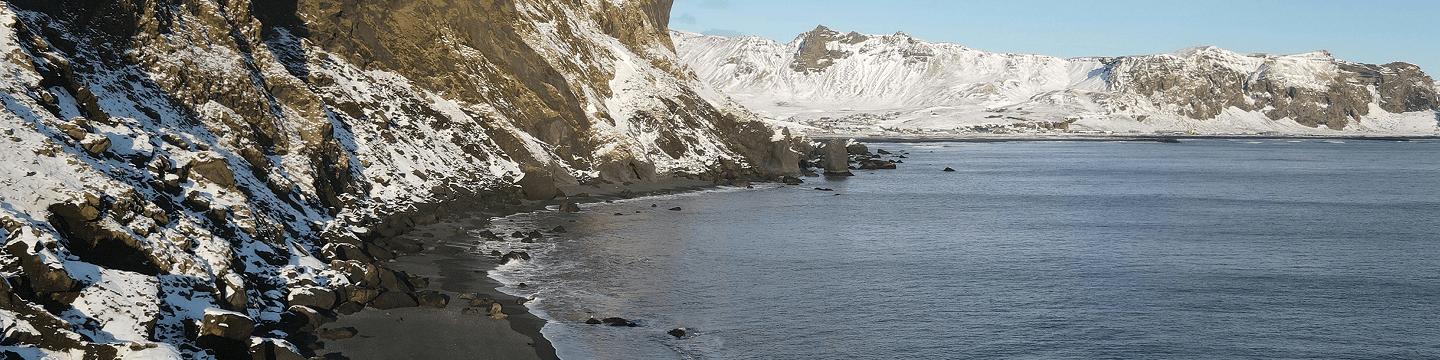
Basalt columns in Iceland are one of nature’s most amazing shapes. They look like giant stone pencils, organ pipes or stacked hexagons. Yet nature made them, without any help from people. You can find them along beaches, in canyons and around waterfalls.
How basalt columns form
When thick lava cools slowly, it shrinks. Then it cracks into regular shapes, usually with six sides. In addition, the cracks grow down through the rock as it cools. As a result, long columns form side by side. Later, rivers, waves and glaciers wear away the rock and reveal them.
Best places to see basalt columns in Iceland
Reynisfjara beach near Vik has a huge wall of columns that looks like stairs. Then Svartifoss waterfall in Skaftafell falls over dark, hanging columns. Also, Studlagil canyon in the east has thousands of them along a blue river. Read our Studlagil canyon guide for details.
Hidden spots
Gerduberg cliffs on the Snaefellsnes Peninsula form a long, straight wall of columns. Meanwhile, Kalfshamarsvik in the north has a quiet cove full of them. In fact, these spots are much less crowded than the famous beaches.
Columns in art and buildings
Hallgrimskirkja church in Reykjavik takes its shape from basalt columns. Also, the glass walls of Harpa concert hall copy their pattern. So, the columns inspire Icelandic design too.
Safety tips
At Reynisfjara, never turn your back on the sea, because sneaker waves are very dangerous. Also, do not climb high on wet columns. Check Safe Travel Iceland before you go. In short, basalt columns in Iceland are worth seeking out on any trip.
Photo tips
Visit in soft morning or evening light, when shadows show the shapes best. Also, bring a wide lens for big walls and a phone for close-ups of the patterns. Then include a person in the photo, because it shows how tall the columns are.
See the basalt columns at Reynisfjara on our private South Coast tour from Reykjavik.