
Highland roads in Iceland lead into the wild, empty heart of the country. These gravel tracks are called F-roads, and they open only in summer. In addition, many of them cross rivers without bridges. As a result, they need careful planning, a proper 4×4 and good driving skills.
What F-roads are
The letter F on a road number means a mountain road. For example, F35 Kjolur and F26 Sprengisandur cross the interior from south to north. Also, F208 leads to Landmannalaugar. Read our Landmannalaugar guide.
When highland roads in Iceland open
Most F-roads open in late June or July, after the snow melts and the ground dries. Then they close again in September. However, the dates change every year. Check Road.is for the current status.
Vehicle rules
By law, you must drive a 4×4 on F-roads. Meanwhile, most rental contracts do not cover damage from river crossings. So, read your insurance terms carefully.
River crossings
Glacial rivers can be deep and fast, especially in the afternoon. Therefore, always check the depth and current before driving in. Read our post on river crossings in Iceland.
Safety on highland roads in Iceland
There are no petrol stations or shops for long distances. In addition, mobile signal is weak in places. So, fill up, bring food and tell someone your plan. Register your trip on Safe Travel Iceland.
Off-road driving
Driving off marked roads is illegal and harms fragile nature. In fact, tyre tracks can stay for decades. Therefore, always stay on the track.
What you will see
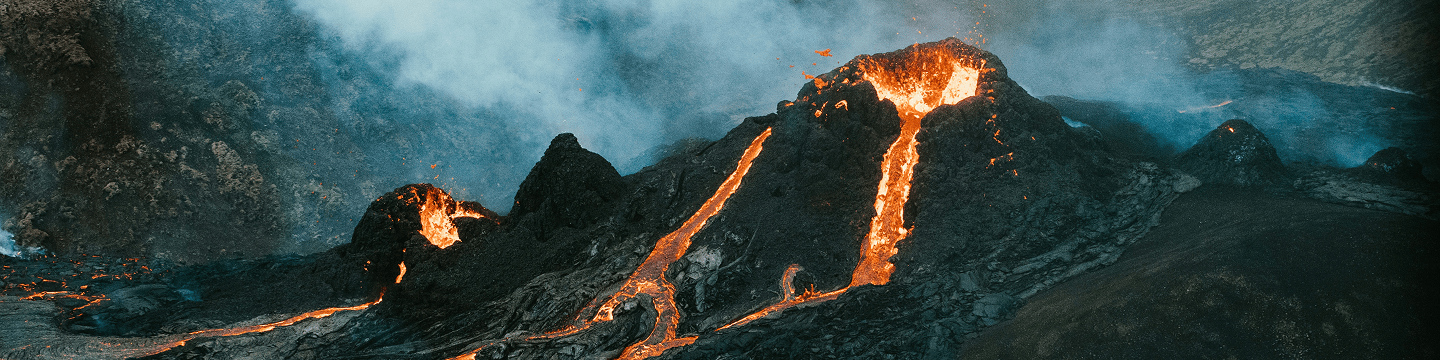
Lava deserts, colourful mountains, hot springs and glaciers fill the highlands. For example, Kerlingarfjoll has bright rhyolite hills and steaming vents. Read our Iceland highlands guide.
Highland roads in Iceland and the weather
Even in summer, snow and strong wind can hit the highlands. As a result, conditions change quickly. Then plan extra time for every drive.
Prefer paved roads and a local driver? Our private day tours cover the classics with up to 8 guests per car.