
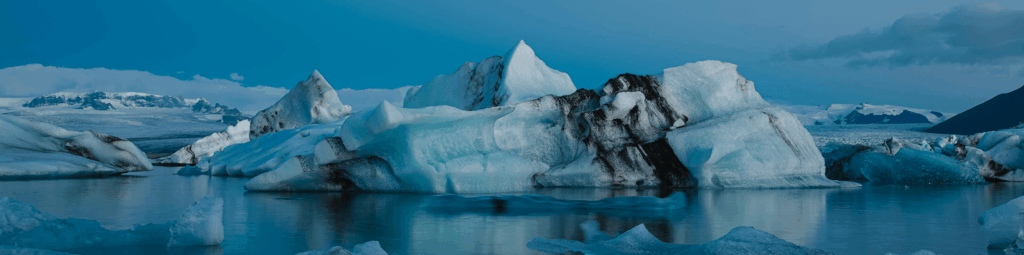
Exploring ice caves in Iceland is one of the most magical things you can do in winter. Inside, the walls glow in shades of deep blue, and the light changes as you walk. Each cave is unique, because the ice moves and melts every year.
When can you visit ice caves in Iceland?
Most natural ice caves are safe only in the coldest months, usually from November to March. In summer, meltwater makes them unstable. However, some caves, like the one near Katla, often stay open longer. There is also a man-made ice tunnel in Langjökull glacier that you can visit all year.
Where are the main caves?
The best-known caves lie in Vatnajökull, near Jökulsárlón in the southeast. Tours usually start from the lagoon area. In addition, the Katla ice cave near Vík is closer to Reykjavík. Meanwhile, the Langjökull tunnel is reached from the west, often as part of a day trip.
What tours include
A certified guide leads every visit and checks the cave conditions first. Also, you get crampons and a helmet. Most tours include a drive in a 4×4 vehicle and a short walk on the glacier. The time inside the cave is usually around an hour.
Staying safe in ice caves in Iceland
Never enter an ice cave on your own, even if it looks easy to reach. Ice can collapse, and water levels can rise quickly. Therefore, always book with a licensed operator. Tours may cancel at short notice when conditions are unsafe. Check updates on Safetravel.is.
What to wear
Dress in warm layers, waterproof trousers and a good jacket. Also, wear sturdy boots that fit crampons. For more on the area, read our Katla ice cave guide and our Sólheimajökull guide.
Choosing ice caves in Iceland tours
Compare tour length, group size and what is included. Also, check where the tour starts, because some meeting points are far from Reykjavík. In addition, read the cancellation terms carefully, since the weather often changes plans.