
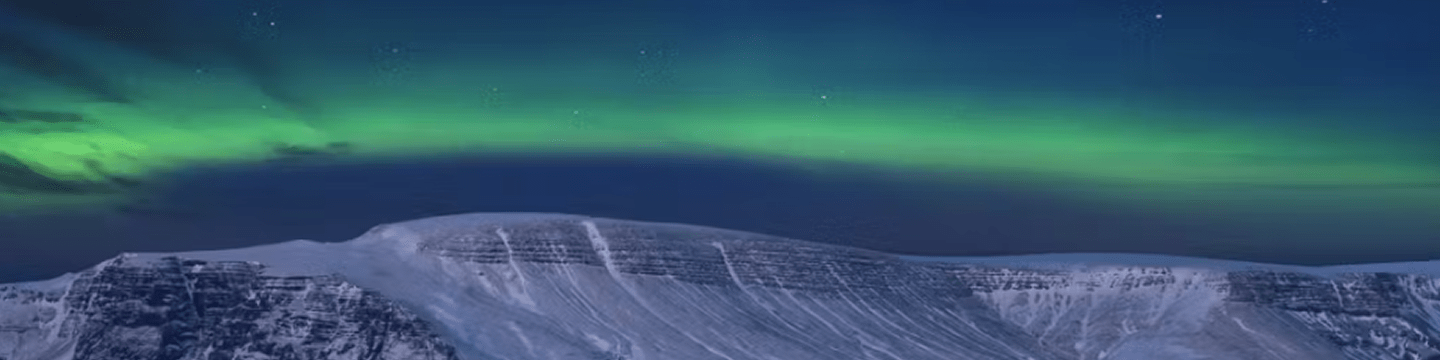
Iceland in November is quiet, moody and often beautiful. The summer crowds are long gone, and the long nights give you good chances to see the northern lights. Here is what the month is really like.
Weather in November
Temperatures in Reykjavík usually sit around 0 to 4°C. However, the wind can make it feel much colder. Also, you can get rain, sleet and snow, sometimes all in one day. So pack a waterproof jacket, warm layers and shoes with good grip.
Daylight in Iceland in November
At the start of the month, you get about seven hours of daylight. By the end, it drops to around five. As a result, sightseeing days are short, so start early and plan your main stops around midday. On the bright side, sunrise and sunset last a long time, and the light is lovely for photos.
Things to do
The northern lights are the big draw, and our shared Northern Lights tour runs from September to April. In addition, day tours like the Golden Circle work well in November, since the stops sit fairly close together. Also, a warm soak at a geothermal lagoon feels even better on a cold evening.
Is Iceland in November a good idea?
It suits travellers who like calm places and don’t mind the cold. On the other hand, if you want long hikes or puffins, summer is a better fit. Flights and hotels often cost less than in summer, which is a nice bonus.
Getting around
Roads can be icy, and conditions change quickly. Therefore, check Safetravel.is before any trip. Also, a pre-booked transfer from the airport saves you from driving in the dark after a long flight. For packing ideas, see our Iceland winter packing list. Overall, Iceland in November rewards those who plan ahead.