
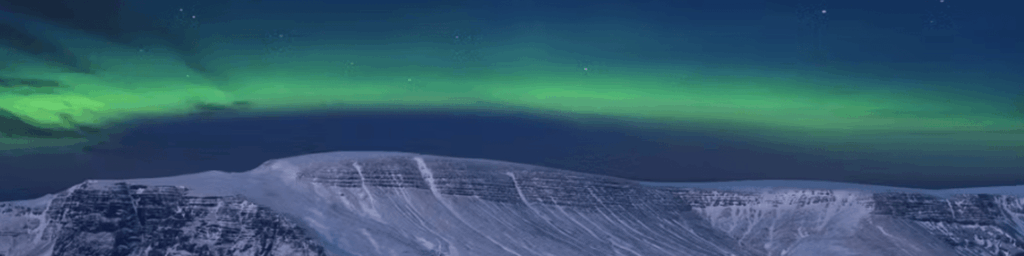
Seeing the aurora is on many people’s bucket list. However, timing matters a lot, so it helps to understand northern lights season in Iceland before you book your trip.
When is northern lights season in Iceland?
Roughly from September to mid-April. The reason is simple: you need darkness. In summer, Iceland has very long days and almost no proper night. In contrast, from late autumn to early spring the nights are long and dark.
The best months
There is no single best month. For example, September and March often have milder weather, while December and January have the longest nights. Because clear skies matter most, many people plan several nights in Iceland to give themselves more chances.
What you need to see the aurora
- Darkness: away from city lights.
- Clear skies: clouds are the biggest problem.
- Solar activity: the aurora forecast shows how active it is likely to be.
Tips for northern lights season in Iceland
First, check the cloud and aurora forecasts every afternoon. Second, book a tour early in your trip, so you have time for another try. Also, dress very warmly, because you will stand still outside at night. Finally, be patient, because the lights often start faint before getting brighter.
Our 3-hour Northern Lights tour from Reykjavík follows the forecast every night, and you get a free return tour if the lights don’t appear.
Photographing the aurora
First, turn off your flash, because it only lights up the foreground. Then hold your phone steady or use a tripod. Also, try your phone’s night mode, which often captures colours your eyes can’t see. In addition, give your eyes a few minutes to adjust to the dark. As a result, you will see and capture much more.
For more information, see the Icelandic Met Office aurora forecast.
See our day tours or contact us with any questions.