
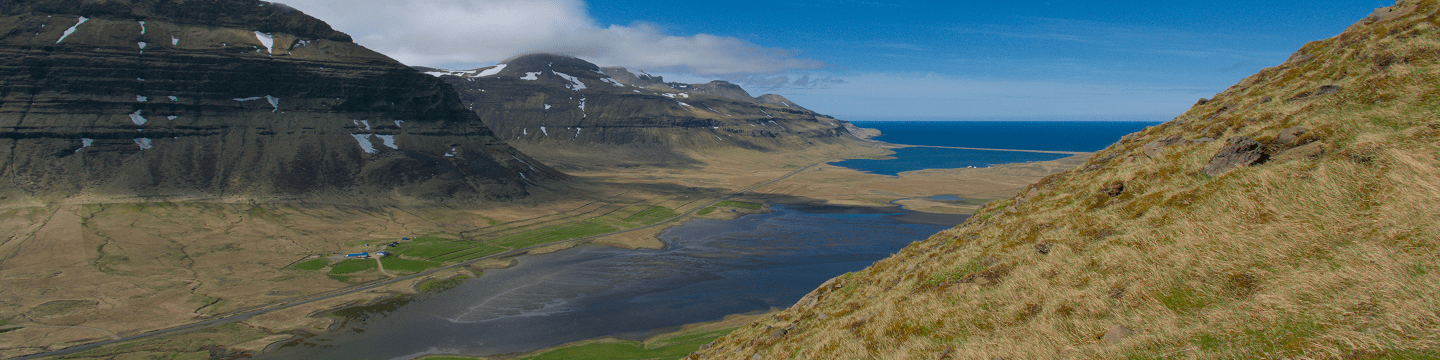
Trees in Iceland are much rarer than in most countries. Visitors often joke that if you get lost in an Icelandic forest, you just need to stand up. However, the land was not always this bare. When the first settlers arrived, birch woods covered a large part of the island.
What happened to the forests
The settlers cut down trees for fuel, building and farmland. Also, sheep ate young shoots, so new trees could not grow. In addition, volcanic eruptions and a colder climate made recovery hard. As a result, only a small share of the original woods survived.
Planting trees in Iceland today
For more than a century, Icelanders have worked to bring trees back. For example, national forestry programmes plant millions of seedlings. Also, many families plant trees on their land. Then, each year, school groups and volunteers join in. You can read more about Icelandic nature on Visit Iceland.
Where to see trees in Iceland
Hallormsstadur in East Iceland is the largest forest in the country. It has walking trails, a lake and tall larch trees. Meanwhile, Thorsmork has lovely birch woods between glaciers. Also, Asbyrgi canyon in the north has a peaceful birch forest. Read our Asbyrgi canyon guide for more.
Christmas trees and city parks
Reykjavik has many parks with planted trees, such as Heidmork just outside the city. In fact, some families cut their own Christmas trees there in December. So, the forests also bring joy to local life.
Why it matters
Trees protect the soil from wind and water. They also store carbon and give shelter to birds. In short, planting trees in Iceland helps both nature and people.
Also, you will notice small new forests along many roads. In fact, some of them are only a few decades old, yet they already change the look of the land.
Explore green Thingvellir and the Golden Circle on our private Golden Circle tour from Reykjavik.