
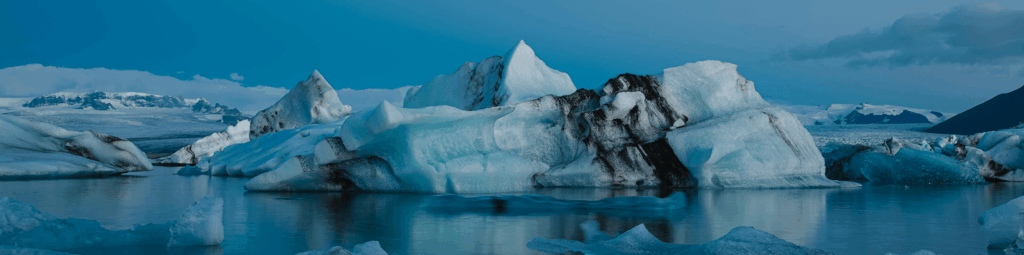
Vatnajokull National Park is the largest national park in Iceland. It covers around a seventh of the country and includes Europe’s largest glacier by volume. Volcanoes, ice caves, canyons and waterfalls all lie within its borders.
A UNESCO World Heritage Site
The park was founded in 2008. Later, in 2019, it became a UNESCO World Heritage Site because of the unique way fire and ice shape the land here. Active volcanoes sit beneath the glacier, and eruptions have formed much of the landscape around it.
Main areas of Vatnajokull National Park
In the south, Skaftafell offers green hiking trails and glacier views. Further east, Jökulsárlón glacier lagoon is just outside the park border. Meanwhile, in the north, Jökulsárgljúfur canyon includes Dettifoss and the horseshoe-shaped Ásbyrgi. As a result, you can visit parts of the park from both sides of the country.
Visitor centres
The park has several visitor centres, including one at Skaftafell. These give maps, trail updates and safety advice. In addition, rangers can tell you which areas are open, which matters in winter and spring. Find current information on the Vatnajökull National Park website.
Exploring Vatnajokull National Park safely
Never walk on a glacier or enter an ice cave without a certified guide. Glaciers hide deep cracks, and conditions change quickly. Also, some highland areas are reachable only in summer by 4×4. Always check Safetravel.is before you travel.
Plan your visit
The southern areas are about four to five hours from Reykjavík. Therefore, most people stay one or more nights nearby. For glacier ideas closer to the city, read our Sólheimajökull guide.
Vatnajokull National Park in summer and winter
In summer, hiking trails open across the park, and the days are long. Meanwhile, winter brings ice caves, snowy landscapes and the northern lights. As a result, the park has something special in every season. However, opening times and road access change a lot through the year, so plan carefully.